DIAGNOSTIC PATTERNS

Eight curves. Eight answers.

The reacidification curve is the result. Below is the full range of patterns the bicarbonate challenge produces, and what each one indicates.

PATTERN 01

Normal reacidification
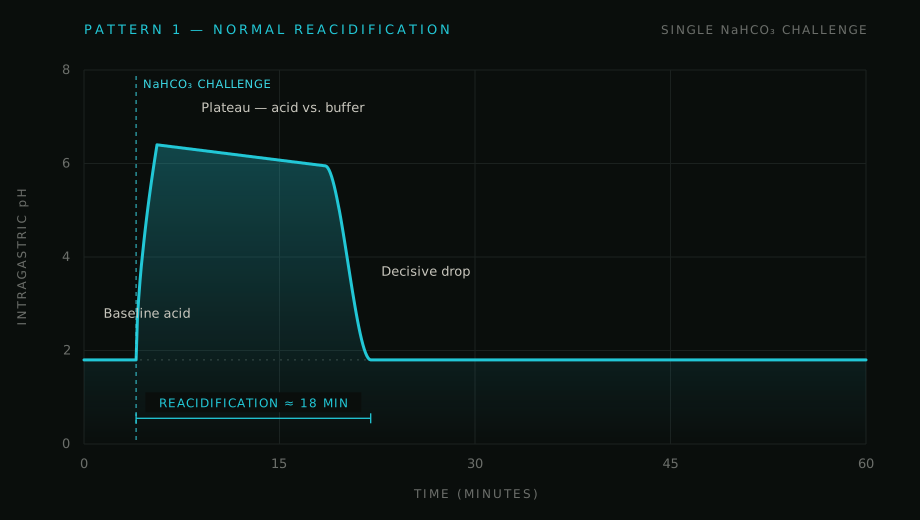
THE CURVE
Strong baseline, clean rise, a sustained plateau, then a decisive return to baseline by roughly 18 minutes.
INDICATES
Intact parietal cell mass and adequate secretory capacity.
RESOLVES
Rules out acid insufficiency and directs the workup downstream.
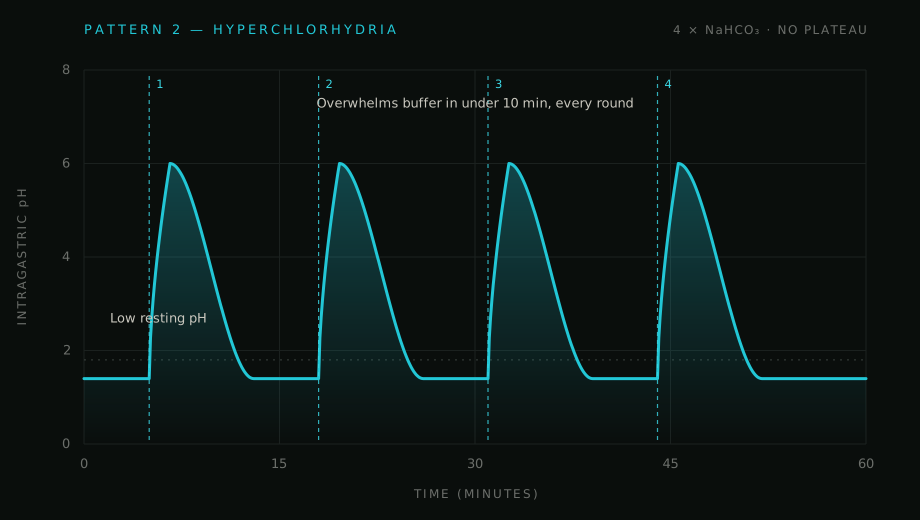
PATTERN 02

Hyperchlorhydria

THE CURVE
Low resting pH; four challenges each overwhelmed in under 10 minutes, with no plateau and no fatigue across rounds.
INDICATES
Sustained acid hypersecretion.
RESOLVES
Objective output data to inform antisecretory decisions rather than an empiric trial.
PATTERN 03

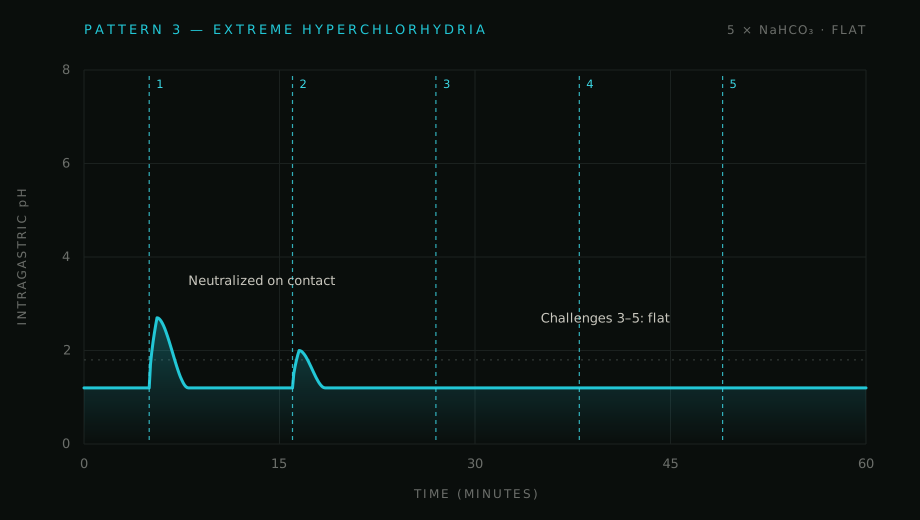
Extreme hyperchlorhydria

THE CURVE
Strongly acidic baseline; early challenges barely register, then the line stays flat as buffer is neutralized on contact, with the sensor confirmed ex vivo.
INDICATES
Acid output at the upper extreme.
RESOLVES
Flags intensity warranting investigation of the driver.
PATTERN 04

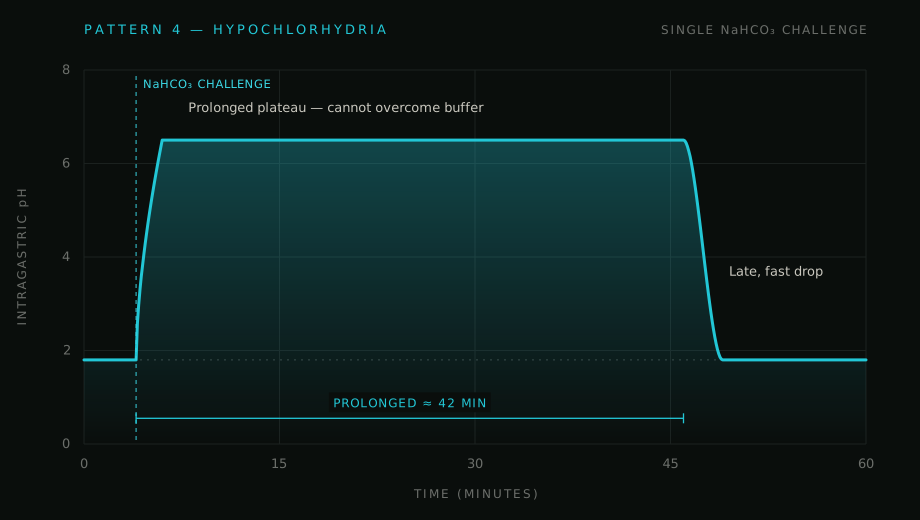
Hypochlorhydria

THE CURVE
Normal baseline and rise, then a prolonged plateau beyond 40 minutes before a late, fast drop.
INDICATES
Reduced secretory capacity, the most common Heidelberg finding.
RESOLVES
Objective evidence of low output behind bloating, deficiency, or reflux unresponsive to acid suppression.
PATTERN 05

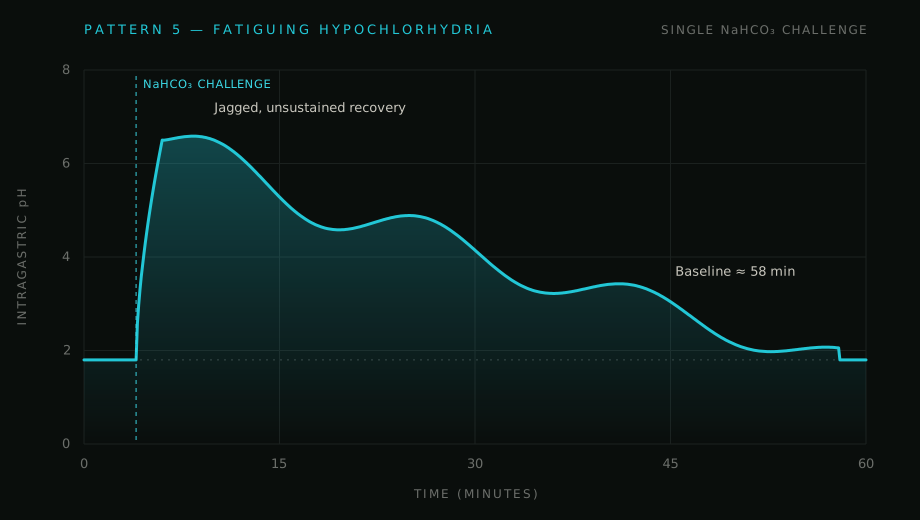
Fatiguing hypochlorhydria

THE CURVE
Normal start, then a jagged, surging, unsustained recovery dragging out to roughly 58 minutes.
INDICATES
Output that initiates but cannot be sustained, capacity at its margin.
RESOLVES
A declining trend that a single challenge test or a serum marker misses.
PATTERN 06

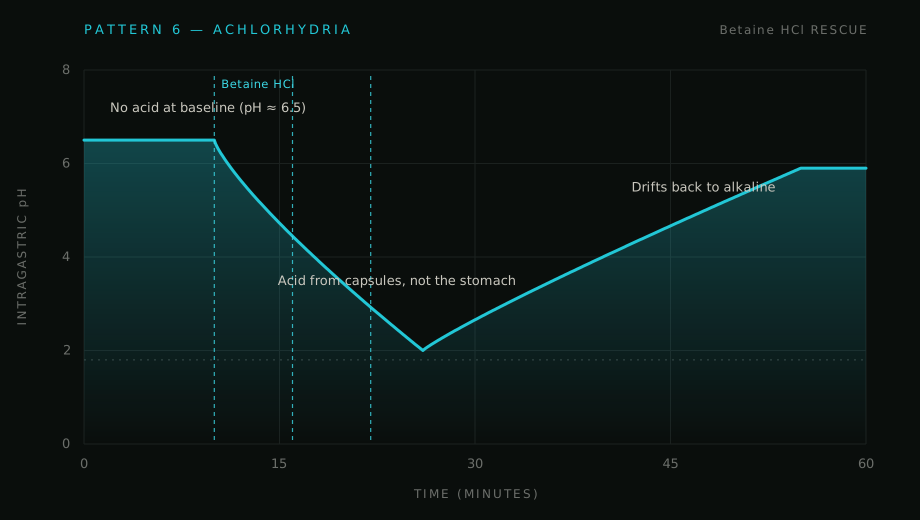
Achlorhydria

THE CURVE
No acidic baseline at pH near 6.5; betaine HCl is required to acidify, and the stomach drifts back to alkaline once it wears off.
INDICATES
Absent endogenous acid production, the end stage of autoimmune atrophic gastritis and the hallmark of pernicious anemia.
RESOLVES
Direct implications for protein digestion, nutrient absorption, and the gastric barrier.
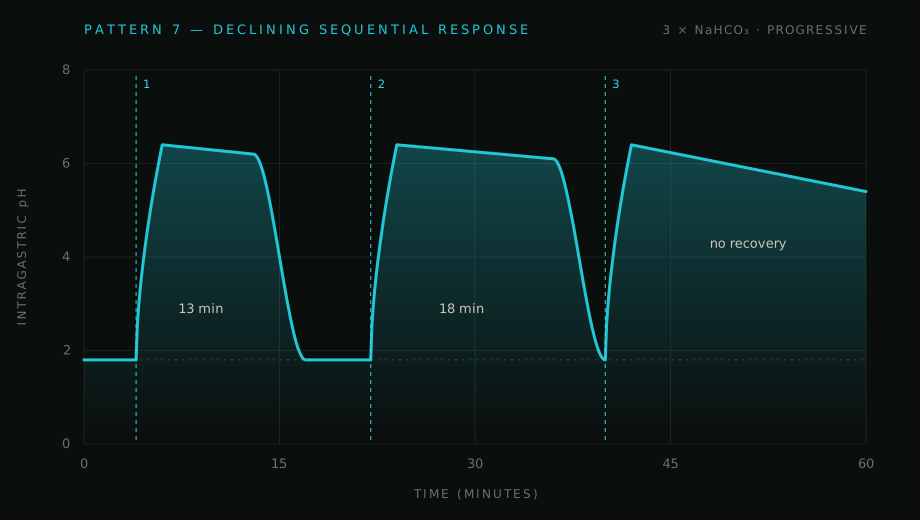
PATTERN 07

Declining sequential response

THE CURVE
First recovery 13 minutes, second 18, third does not recover; progressive prolongation across challenges.
INDICATES
Adequate under single demand, inadequate reserve under repeated demand.
RESOLVES
Early decline that single point testing reports as normal; relevant in autoimmune thyroid disease, type 1 diabetes, and a family history of pernicious anemia.
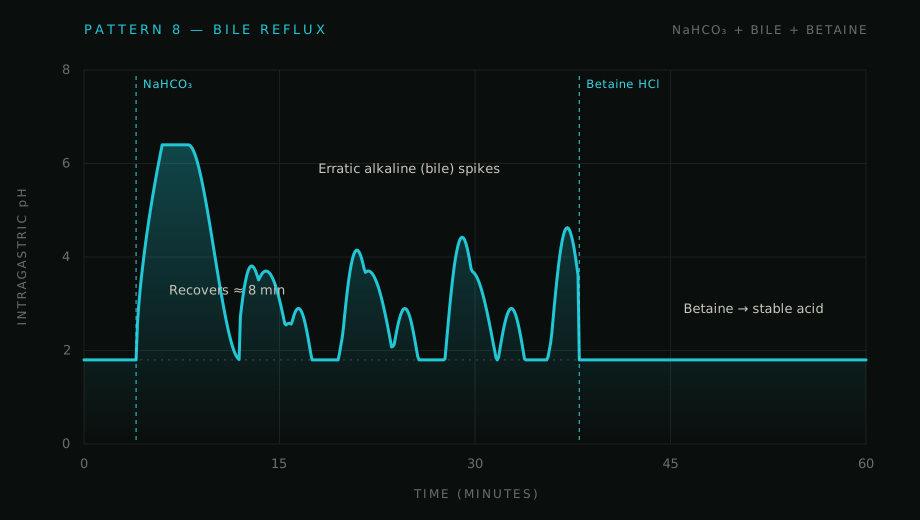
PATTERN 08

Bile reflux

THE CURVE
Clean recovery, then erratic alkaline spikes with no challenge given, then stable acidity once betaine is added.
INDICATES
Alkaline bile reflux through an incompetent pylorus, not secretory failure.
RESOLVES
Separates mechanical pseudo-hypochlorhydria from true acid deficiency, a distinction that changes management.
The conditions behind these patterns →
Indicated for use by qualified healthcare professionals. CAUTION: Federal Law (USA) restricts these devices to sale by or on the order of a physician.